Trump Proposes Community Dividends to Win Support for US Data Centers
By Pollytic · Published
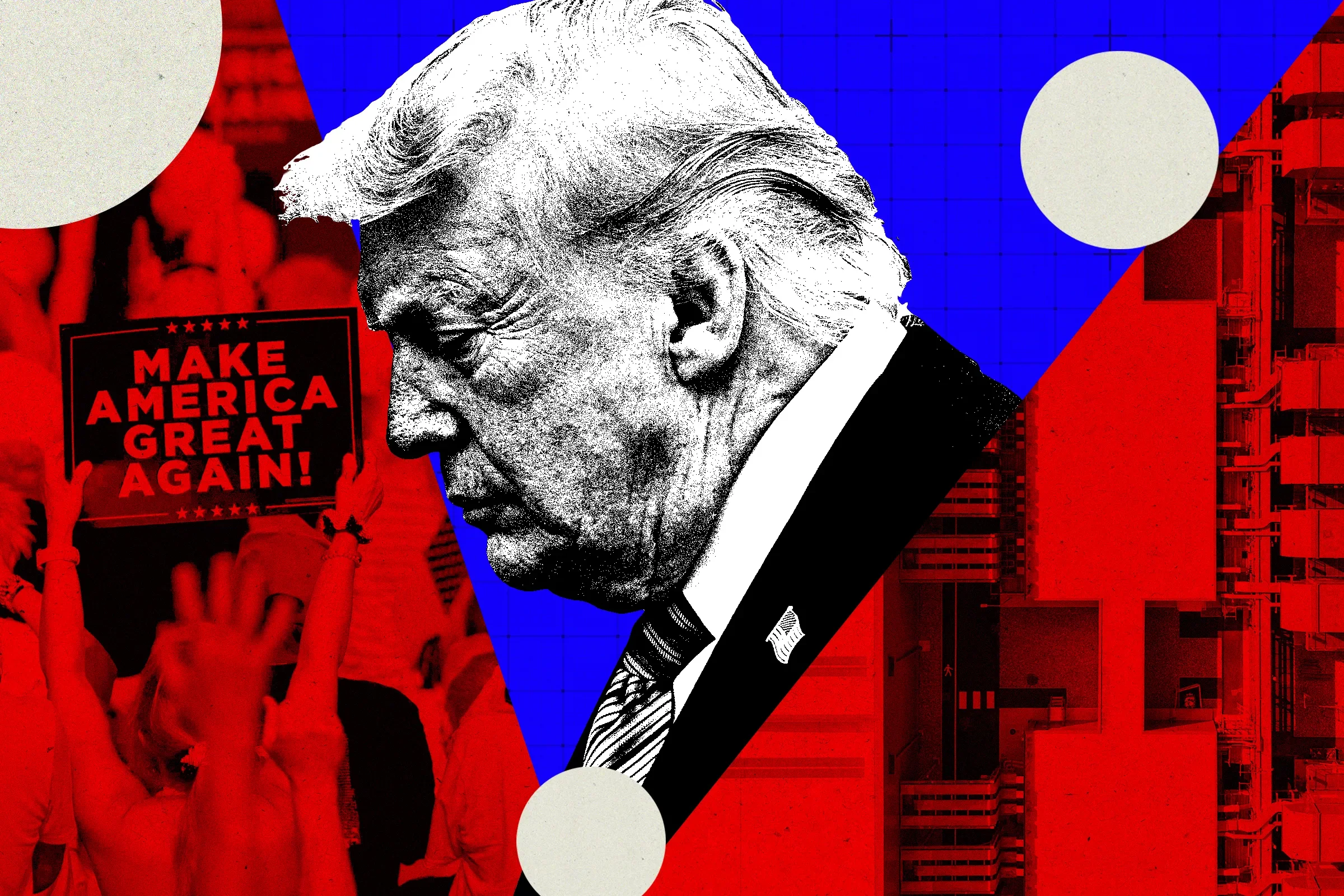
President Donald Trump has proposed that companies building data centers in the United States pay dividends to local communities as a way to improve public support for projects increasingly facing resistance over their energy and water demands.
"If companies want to make their Data Centers popular, pay the community, and/or individuals within the community, a 'dividend,'" Trump wrote in a Truth Social post on Wednesday.
Data centers are essential to the expansion of artificial intelligence (AI), but their growing demand for electricity and water has made them a contentious issue in several parts of the country.
According to Data Center Watch, local opposition blocked or delayed at least 75 data center projects worth a combined $130 billion during the first quarter of 2026.
The Trump administration has consistently supported AI development as a strategic priority for the United States. Last month, the president said government documents would begin referring to the technology as "super intelligence." On October 4, he also announced the creation of the Super Intelligence Force, an initiative intended to coordinate federal efforts to maintain America's technological lead over China.
"I have been watching Data Centers very closely, and have come to a very strong conclusion," Trump wrote on Wednesday.
The president said large data centers should be required to generate their own electricity and return or sell surplus power to local communities or the electricity grid. He argued that this approach could prevent electricity prices from rising and potentially lead to substantial reductions.
Trump Urges Companies to Reach Deals
"MAKE DEALS, and get them built!!! GREAT FOR THE U.S.A," Trump added.
His latest comments build on efforts to ensure that the costs associated with expanding AI infrastructure do not fall disproportionately on households.
In February, during his State of the Union address, Trump said his administration had secured agreements with technology companies to cover a greater share of the costs incurred by electric utilities when data centers and other large electricity consumers increase demand and put pressure on supply.
The president described a "rate payer protection pledge" under which major technology companies, often known as hyperscalers, agree to pay more for the electricity needed to operate their data centers. The stated goal is to ensure that these companies cover their own costs rather than passing additional expenses on to residential customers.
Trump has also backed the co-location of data centers with new energy facilities. The strategy aims to accelerate AI infrastructure development by speeding up permitting, reducing regulatory obstacles and making federal land available for suitable projects.
Several companies are already pursuing this approach.
Meta has agreed to build a data center at the site of a planned 400-megawatt natural gas power plant in New Albany, Ohio. Google, meanwhile, has partnered with Intersect Power on a nationwide $20 billion initiative to develop data centers alongside solar generation and energy storage facilities in dedicated energy parks.
Energy Costs Could Become a Midterm Election Issue
The impact of data center development on residential electricity bills remains disputed. The issue is expected to feature prominently in the 2026 midterm elections, including in dozens of House races.
Supporters of the projects point to their potential to attract investment, strengthen American technological leadership and support economic growth. However, concerns remain over whether electricity infrastructure can accommodate rising demand without increasing costs for households and businesses.
The debate has also attracted attention over potential foreign influence operations.
According to reporting by The Epoch Times, the Chinese regime has sought to exploit disagreements surrounding data center construction to deepen divisions within the United States.
Cleo Paskal, a senior fellow at the Foundation for Defense of Democracies, previously told The Epoch Times that concerns about energy availability and water depletion were legitimate. She also argued that the Chinese Communist Party (CCP) was attempting to use those concerns to obstruct data center development.
"But it's also a real issue that the Chinese Communist Party is perfectly happy to exacerbate to create even more division with the goal not of leading to any solution, but of paralyzing the United States," Paskal said.
OpenAI has separately accused CCP-linked influence operators of targeting the debate over data centers and American AI infrastructure.
In a report published in June, the company said the activity was significant not because it appeared to have substantially shifted public opinion, but because it showed operators originating from the People's Republic of China testing narratives aimed at AI infrastructure.
OpenAI described that infrastructure as a foundation of US technological leadership, economic growth and the broader democratic AI ecosystem.
Balancing AI Expansion With Local Interests
Trump's proposal to offer community dividends introduces another potential mechanism for addressing local resistance to data center construction. Direct payments could give residents a tangible financial benefit from projects that place additional demands on local infrastructure and resources.
However, the effectiveness of such arrangements will depend on how companies structure their agreements, how electricity costs are distributed and whether local residents consider the proposed compensation sufficient.
The wider challenge for policymakers is to expand the infrastructure needed to support AI while ensuring that the economic benefits are not offset by higher household energy bills or unsustainable pressure on local resources.
As competition with China continues to shape US technology policy, the debate over data centers is likely to remain focused on both economic opportunity and the costs communities are asked to bear.
Latest polls in United States
United States pollsEach poll as published, with its pollster, fieldwork dates, sample size and a link to the source.